


European leaders debate ETS while the energy crisis burns elsewhere
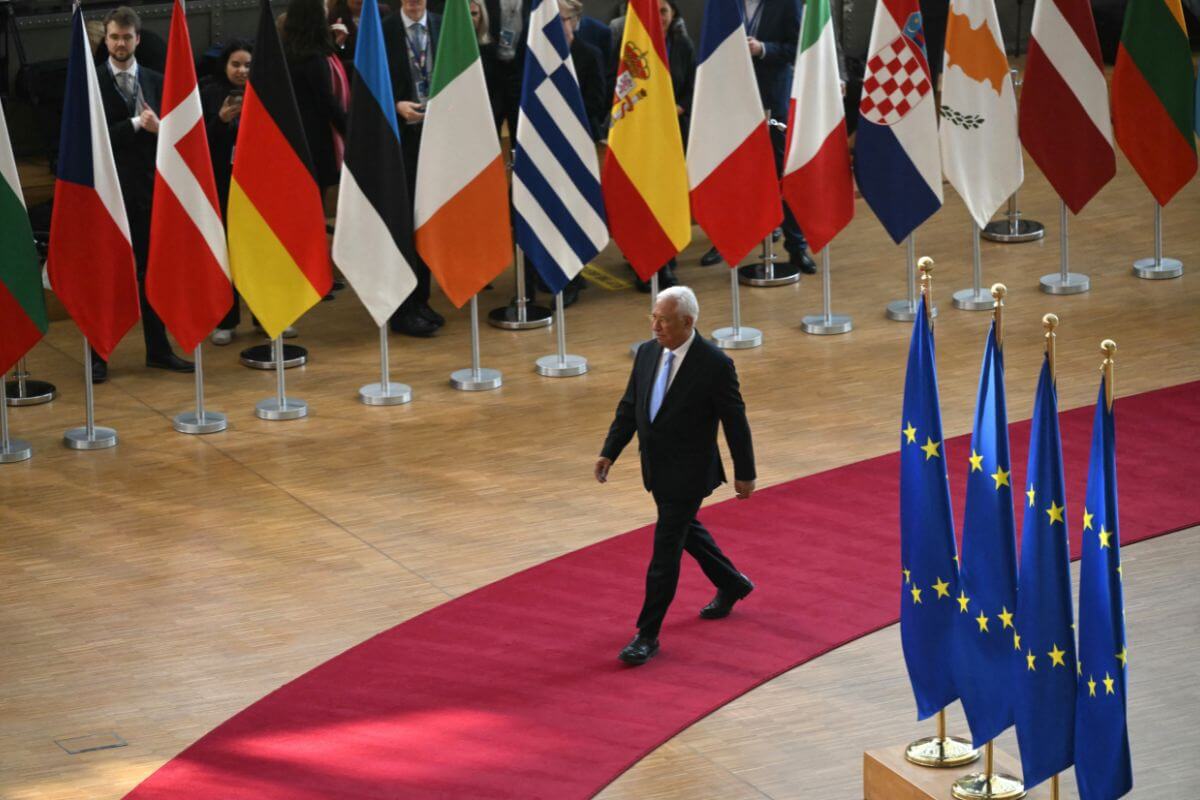

The growing energy shock from the closure of the Strait of Hormuz forced a familiar reckoning onto EU leaders as they gathered this week for the European Council Summit. It did what energy crises have done since the 1970s: expose how deeply Europe’s prosperity depends on imported energy it does not control.
Fresh strikes on energy infrastructure in the Middle East and the continued closure of the world's most vulnerable commodities chokepoint have sent oil and gas prices soaring. Crude oil prices have risen from $65 to $95 per barrel since the end of February, while gas prices have hovered around €50 this week, up from roughly €30 before the conflict. With gas storage in Europe at a five-year low and global competition intensifying, the pressure on leaders to deliver quick fixes was high.
In the days before the summit, Commission President Ursula von der Leyen's letter to member states outlined a familiar toolkit: subsidising or capping gas-fired electricity, expanding Power Purchase Agreements, allowing greater state aid flexibility and cutting energy taxes. Yet rather than engaging with these proposals directly, leaders spent significant political energy debating the Emissions Trading System (ETS).
With gas fields burning across the Middle East, 17% of Qatar's LNG export capacity knocked out yesteday, and tankers rerouted to Asia, this focus looked increasingly misplaced. Carbon costs account for roughly 11% of EU electricity bills – far below energy costs (56%), network charges (18%) and taxes and levies (15%). Countries such as Italy and Poland pushed for substantial changes, citing their dependence on fossil fuels. What they got, however, was a familiar formula: an invitation for the Commission to work with member states on targeted national measures. The already scheduled July ETS review remains on track, with its role as a market-based investment signal explicitly preserved.
Europe is structurally poor in oil and gas. Its dependence on imported fossil fuels is what turns geopolitical shocks into energy crises. Since the start of the conflict, countries more reliant on gas for electricity generation, such as Italy and Germany, have seen sharper price rises. The EU has also spent an additional €6 billion on fossil fuel imports in just weeks. While the clean energy transition requires upfront investment, fossil fuel dependence is far more costly in the long term.
The Council conclusions kept the ETS intact and reaffirmed commitments to the clean energy transition: both welcome outcomes. But the debate revealed a deeper problem. While leaders squabbled over carbon pricing, the root cause of the crisis – Europe’s fossil fuel dependence and the geopolitical exposure that comes with it – went largely unaddressed.
Until Europe changes course, it will keep reliving the same crisis – because the dependency at its core remains untouched.
Anna Crawford is a Policy Analyst in the Sustainable Prosperity for Europe programme.
The support the European Policy Centre receives for its ongoing operations, or specifically for its publications, does not constitute an endorsement of their contents, which reflect the views of the authors only. Supporters and partners cannot be held responsible for any use that may be made of the information contained therein.

