

Breaking barriers: Can the EU Single Market drive growth?
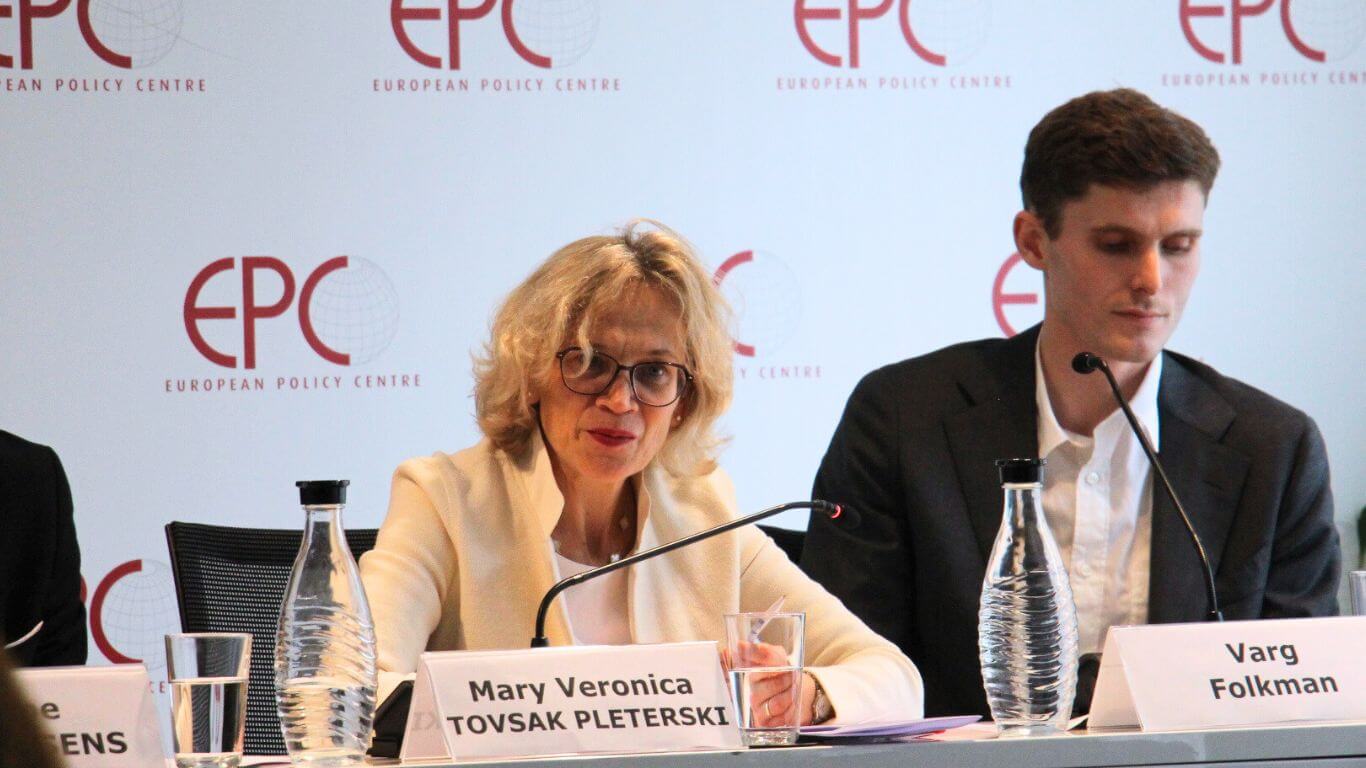

As global trade headwinds strain Europe’s traditional economic model, the European Policy Centre's 22 October 2025 Policy Dialogue examined how the EU can revitalise growth by unlocking the untapped potential of its own Single Market. Panelists from or representing the European Commission, business, workers and think tanks debated what holds back cross-border services, how political attitudes toward liberalisation are shifting, and what reforms could make the Single Market deliver for the next decade.
Europe’s prosperity has long relied on global trade with partners such as the US and China. But amid rising protectionism and geopolitical uncertainty, attention is turning inward. Deepening the Single Market could offset external losses and strengthen Europe’s competitiveness – if long-standing barriers can be overcome.
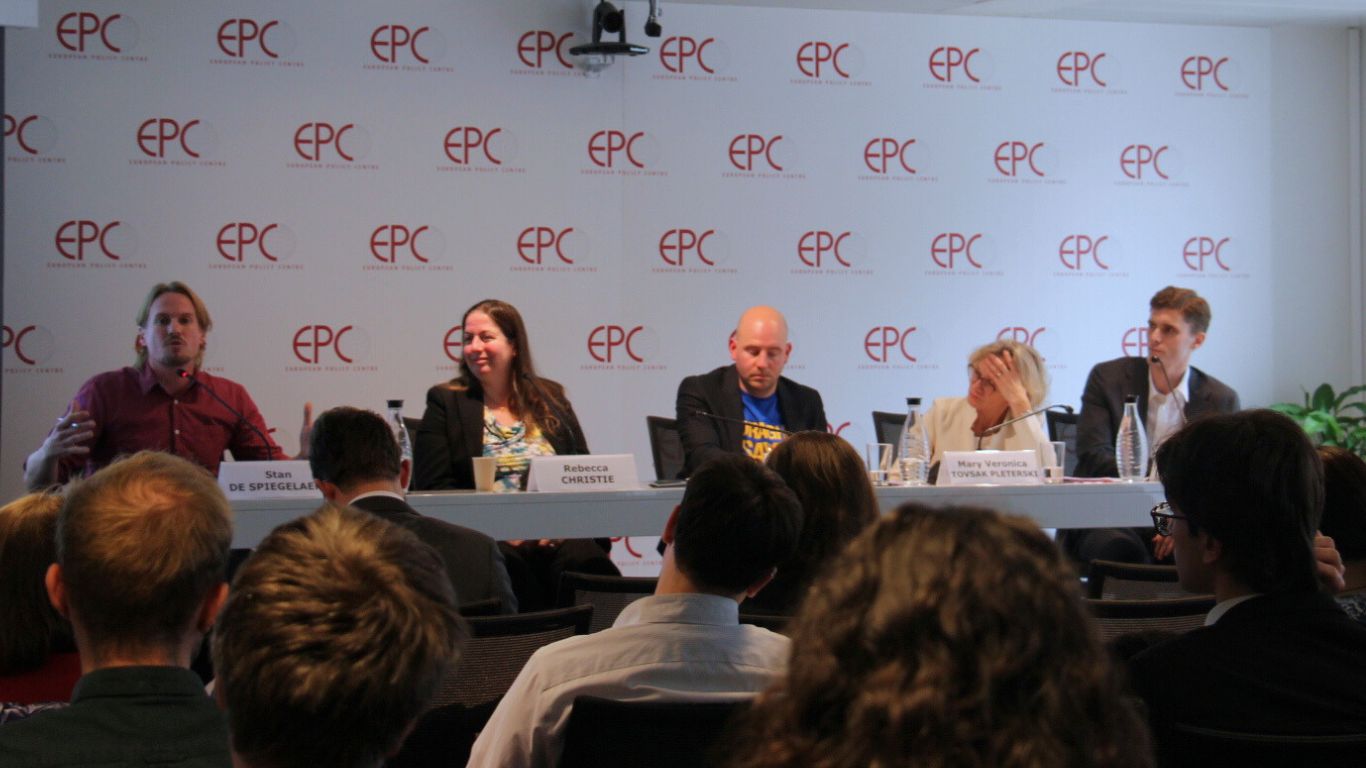
Following a presentation by Larissa Brunner, Head of Economic Research at Pivot Economics, the panel brought together Rebecca Christie (Bruegel), Mary Veronica Tovšak Pleterski (European Commission, DG GROW), Philippe Adriaenssens (European Roundtable of Industrialists) and Stan De Spiegelaere (UNI Europa). Varg Folkman, EPC policy analyst, moderated the discussions.
The European Commission is pursuing a dual strategy to dismantle Single Market barriers: identifying and addressing them barrier-by-barrier while launching sector-specific initiatives such as the upcoming Construction and Delivery Acts. “It is time to choose Europe,” said Tovšak Pleterski, highlighting the Single Market’s “unique scale, strength and agility.” She outlined new work on the ‘Terrible Ten’ barriers and the forthcoming Roadmap 2028, particularly covering energy, telecoms and finance.
Adriaenssens, speaking for business, called for stronger enforcement, noting that “more than 60% of the problems in services have been around for 20 years.” He urged the EU to “name and shame” member states that resist reform.
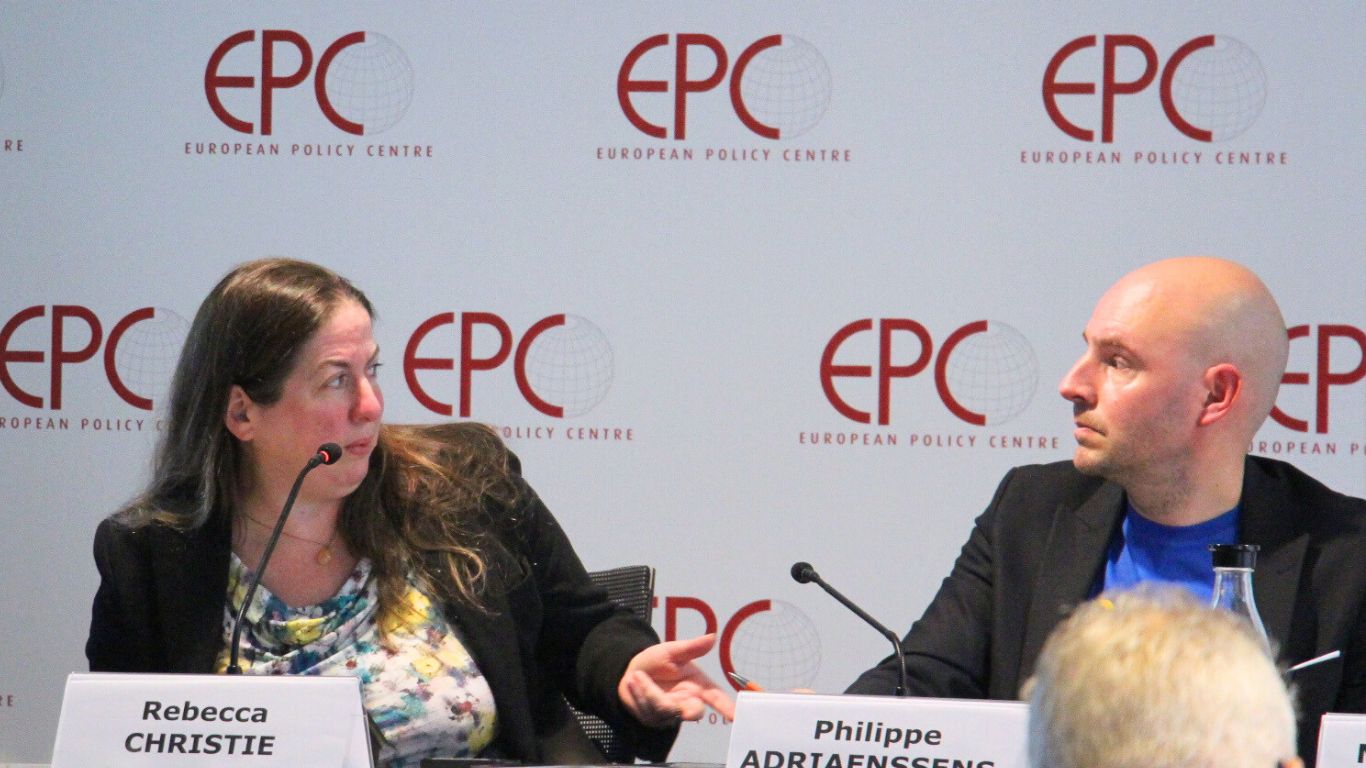
The workers’ representative (UNI Europa) voiced strong opposition to the proposed 28th regime, warning it could spark a “race to the bottom” in wages and working conditions. “We support competition – but fair competition … not on wages or working time,” said De Spiegelaere. He added: “The quality of the jobs in the service sectors is crucial for our democracies.”
Christie concluded that while governments often endorse a deeper Single Market, they seek local characteristics. Few are willing to risk domestic industries being outcompeted.
Yet she struck an optimistic note: “We need more market in our market ... My hope is that we can create conditions where people can go forth and make things.”
To watch the full event, click here.
Jessica Moss is Editor at the European Policy Centre.
The support the European Policy Centre receives for its ongoing operations, or specifically for its publications, does not constitute an endorsement of their contents, which reflect the views of the authors only. Supporters and partners cannot be held responsible for any use that may be made of the information contained therein.