

IMF: Europe cannot subsidise its way out of energy shocks
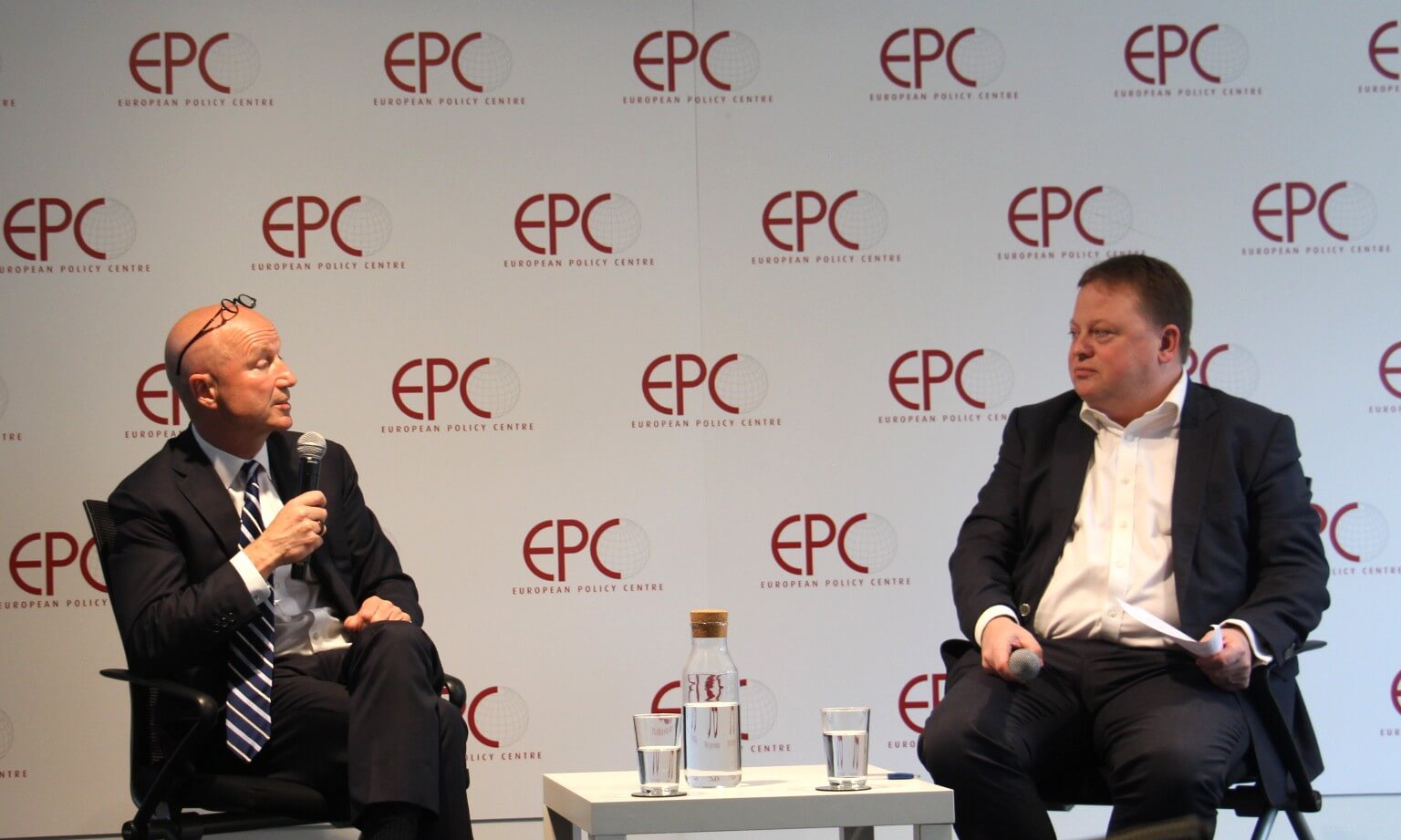

Europe should protect vulnerable households from the latest energy shock, but avoid broad measures that artificially lower energy prices, Helge Berger, Deputy Director of the IMF’s European Department, told audiences at an EPC Policy Briefing.
Berger said Europe is operating in a more “war-prone environment” of frequent, overlapping shocks. The war in Iran has pushed up global energy prices, weakened growth and raised inflation. But governments should not respond by suppressing prices across the board.
“We are adamant that support for households should be in an income-supporting way, rather than artificially lowering energy prices,” Berger said. Such measures would be “counterproductive for Europe itself because energy demand will be higher than it otherwise would be."
Berger noted that Europe is better prepared than in 2022. “The energy mix in Europe has changed,” he said. “We have seen a notable increase in the share of non-fossil fuels.” Renewables now account for more than half of electricity generation, helping soften the shock. Still, oil prices have surged by around 70%, while European gas prices remain roughly 45% above pre-war levels.
Looking ahead, Berger said the most relevant scenario in the IMF’s April World Economic Outlook is one in which oil and gas prices keep rising, inflation expectations increase and financial conditions tighten before easing in 2027. This would be “...not a recession but close to recession.”
One bright spot: public spending offers some support. “In Germany, there is more public spending. This is a tailwind to growth,” Berger said. Defence spending is also rising, though its boost to domestic growth may be weaker than infrastructure investment because much of it goes to imports.
The right policy response, Berger argued, should be temporary, targeted and price-consistent: “We should not have broad-based measures; we want to focus on the most vulnerable,” he said. “We want firms and households to react to high prices and save energy.”
Fiscal policy should also reflect national starting points. Countries with more fiscal space can allow automatic stabilisers to work, but states with high debt or limited buffers should avoid increasing deficits.
Some challenges, however, require European tools. He made the case for a larger EU budget to supply European public goods and said common debt can be justified for purposes central to those public goods.
The longer-term answer lies in resilience. Europe should better link power grids, complete the Single Market, stay the course on the Emissions Trading System and use the proposed Industrial Accelerator Act to diversify supply chains. Berger also warned against relaxing merger rules, which “could backfire in segmented markets”.
Berger’s closing message was about political honesty: “There is no financial or fiscal engineering at regional or national level that is able to deal with [globally increasting energy prices] in a permanent, sustainable way.” The goal is to protect vulnerable households now, while investing in future energy security, renewables and market integration.
Jessica Moss is Editor at the European Policy Centre.
The support the European Policy Centre receives for its ongoing operations, or specifically for its publications, does not constitute an endorsement of their contents, which reflect the views of the author only. Supporters and partners cannot be held responsible for any use that may be made of the information contained therein.