

Additive Manufacturing and the Future of European Defence
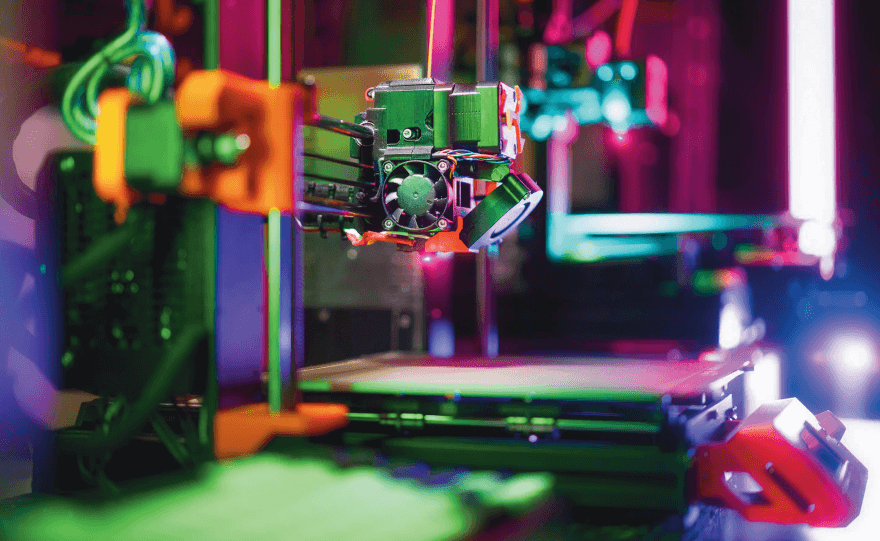

Additive manufacturing is rapidly becoming central to how Europe supplies, repairs, and sustains its armed forces, giving it an edge over adversaries like Russia who are struggling with sanctions and supply chain constraints. This policy paper explores how AM is reshaping logistics, strengthening strategic autonomy, and recommends steps European leaders must take to maximize this advantage.
To transform AM from a tactical novelty to a strategic capability, Europe and NATO must act decisively in six areas:
1. Standardize and certify. Finalize one set of interoperable AM standards via EDA and NATO Standards Agreements (STANAGs), aligning material properties, testing, and digital workflows.
2. Build secure digital infrastructure. Develop federated digital part libraries compatible with NATO’s RAPID–e system and protect them within cyber-secure IP frameworks.
3. Reform procurement. Shift defence acquisitions to value AM’s lifecycle benefits and not just unit cost. Enable flexible contracting for digital files and fieldable AM printers.
4. Accelerate joint R&D and training. Expand EDF and DIANA-supported AM projects; launch a European AM Centre of Excellence for training, best practice exchange, and field trials.
5. Reduce external dependencies. Invest in Europeancontrolled software platforms, advanced materials R&D, and open-access design libraries to reduce reliance on US-held intellectual property and supply chains. Prioritize the development of sovereign feedstocks, firmware, and precision AM systems tailored to EU operational and certification needs.
6. Invest in industry and skills development. Support SMEs and academic partners to scale AM capacity. Establish EU-wide training pathways to build a qualified military-industrial AM workforce.
Read the full Paper here.
Chris Kremidas-Courtney is a Senior Visiting Fellow at the European Policy Centre.
The support the European Policy Centre receives for its ongoing operations, or specifically for its publications, does not constitute an endorsement of their contents, which reflect the views of the authors only. Supporters and partners cannot be held responsible for any use that may be made of the information contained therein.