

Europe must seize the moment to change Putin's calculus
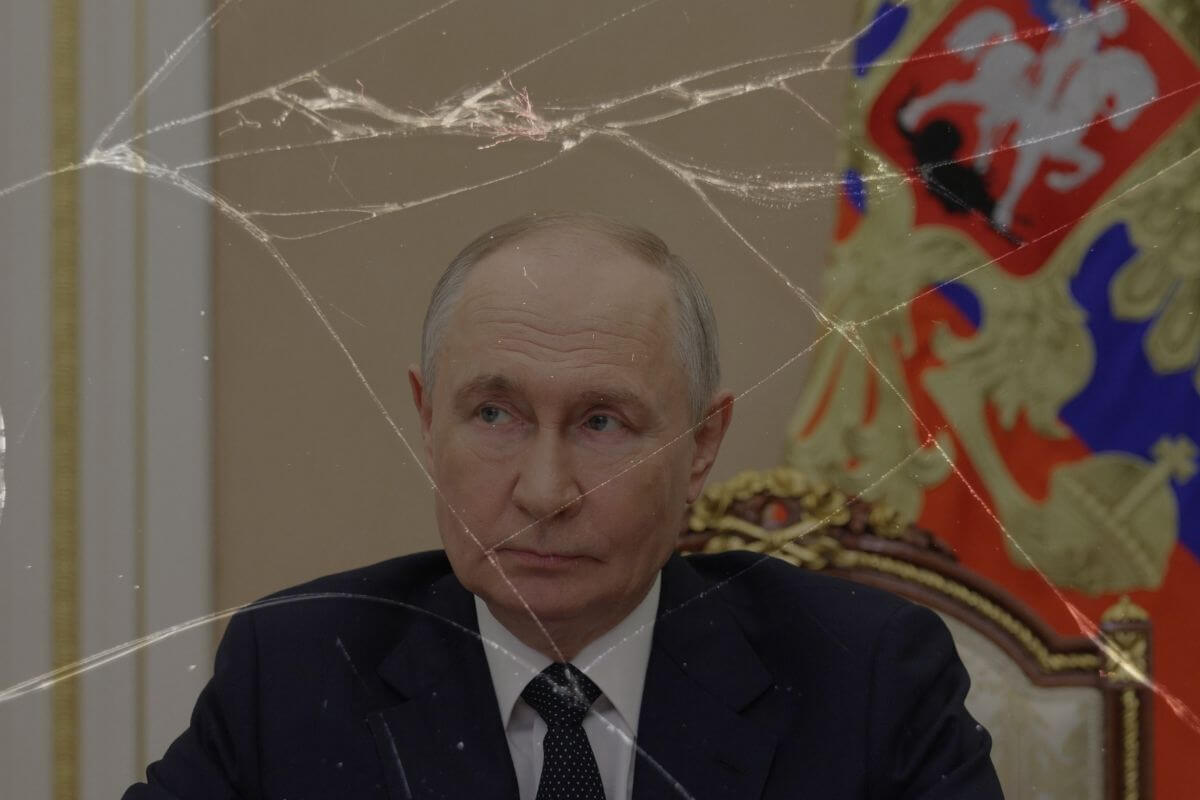

As Ukrainian strikes expose growing vulnerabilities deep inside Russia, Europe should ramp up its support for Ukraine to create the conditions under which Putin concludes he cannot win militarily in Ukraine, and that a negotiated settlement is preferable to a prolonged conflict.
The Kremlin is down but far from done
Russia’s latest wave of devastating missile and drone attacks on Ukrainian cities is portrayed by the Kremlin as a show of strength. In reality, it reflects a state under growing pressure.
Russia’s strategic environment is becoming increasingly difficult as Ukraine has expanded its ability to strike military airfields, logistics hubs, ports, ammunition depots and industrial facilities, along with disrupting critical supply chains deep inside Russia and in occupied Crimea. This is forcing Moscow to divert air defences, relocate strategic assets and commit more resources to protecting its rear areas.
The pressure is no longer confined to the battlefield. Rising fuel prices, inflation, labour shortages and growing economic uncertainty are increasingly affecting the Russian population. While Western sanctions have not yet crippled Russia’s economy, they are limiting access to technology and investment, while wartime production creates a more fragile economic model. Every new Ukrainian capability raises the cost of continuing the war.
While Russia remains capable of fighting, its military is under growing strain as battlefield losses intensify pressure on recruitment and resources. With parliamentary and regional elections slated for September 2026, another mobilisation would carry additional domestic political risks for the Kremlin, which has so far relied on recruitment incentives and other measures to avoid a repeat of the 2022 call-up.
Yet, history shows that authoritarian regimes rarely respond to pressure by backing down. Russia’s intensified attacks on Ukrainian civilian infrastructure reflect this pattern. That is why Europe must act now: expanding military support and strengthening Ukraine’s defences will ensure that Moscow understands that prolonging its war will only increase the costs.
Time to further increase support
Ukraine’s biggest battlefield challenge is scale: in manpower, ammunition, air defence and the ability to withstand Russia's use of advanced strike capabilities, including drones, ballistic missiles and glide bombs. This is the moment to turn the pressure on Russia into strategic advantage.
The Ankara NATO summit was a good start. The Alliance announcinged major funding commitments worth tens of billions of dollars for 2026 and 2027, and prioritised expanding Ukraine’s defence industrial capacity. It also officially recognised Ukraine as a contributor to transatlantic security rather than simply a recipient.
President Donald Trump’s decision to grant Kyiv a license to produce interceptor missiles for the Patriot air defence system could prove particularly significant, enabling Ukraine to strengthen its air defences against Russia’s expanding ballistic missile campaign. It would also mean an increase in sales for US companies and no adverse impacts on US supply chains.
While a boon for Ukrainian defence, the priority is not a single weapon system but sustained support for air defence and investment in Ukraine’s industry. European governments must therefore accelerate support, in particular via joint ventures, technology transfers and long-term procurement contracts to sustain Ukraine’s aability to produce at scale.
Improved counter-drone capabilities, long-range precision strike systems and increased production of advanced drones and ammunition are also crucial. Europeans should further participate in the Prioritised Ukraine Requirements List (PURL) programme, which has already channelled more than $4 billion of critical US military equipment to Ukraine. Countries that have not yet participated, including France, Italy and Türkiye, should do so.
By helping Ukraine protect its skies, blunt Russia's drone and missile advantage, and raise the cost of Moscow’s war, Europe can help Kyiv fully exploit Russia’s growing vulnerabilities and make clear to the Kremlin that the fight will not lead to victory. At the same time, Europe should strengthen sanctions by closing loopholes that enable circumvention.
This means tightening enforcement against Russia’s shadow fleet, strengthening export controls on dual-use technologies, disrupting financial networks used to evade sanctions and working with partner countries to prevent the re-export of restricted goods.
Particular attention should be given to limiting Russia’s access to critical components and technologies that support its defence industry, while ensuring sanctions are effectively enforced across jurisdictions.
A decisive winter
All these steps must be implemented quickly. Putin is already preparing for the coming winter and heating season. As in previous years, Russia will intensify attacks on Ukraine’s energy infrastructure to maximise pressure on the government and civilian population, hoping that another winter of blackouts and hardship will succeed where its military campaign has not. Europe’s task is clear: deny Moscow that leverage.
By sustaining military support, strengthening Ukraine’s resilience and tightening pressure on Russia’s economy, Europe can help create the conditions in which Putin concludes that prolonging the war is costlier than seeking a settlement. The window to raise those costs is now.
Amanda Paul is Deputy Head of the Europe in the World Programme and Senior Policy Analyst.
The support the European Policy Centre receives for its ongoing operations, or specifically for its publications, does not constitute an endorsement of their contents, which reflect the views of the authors only. Supporters and partners cannot be held responsible for any use that may be made of the information contained therein.