


Flying blind: How to prevent Russian GPS operations from causing a European air disaster
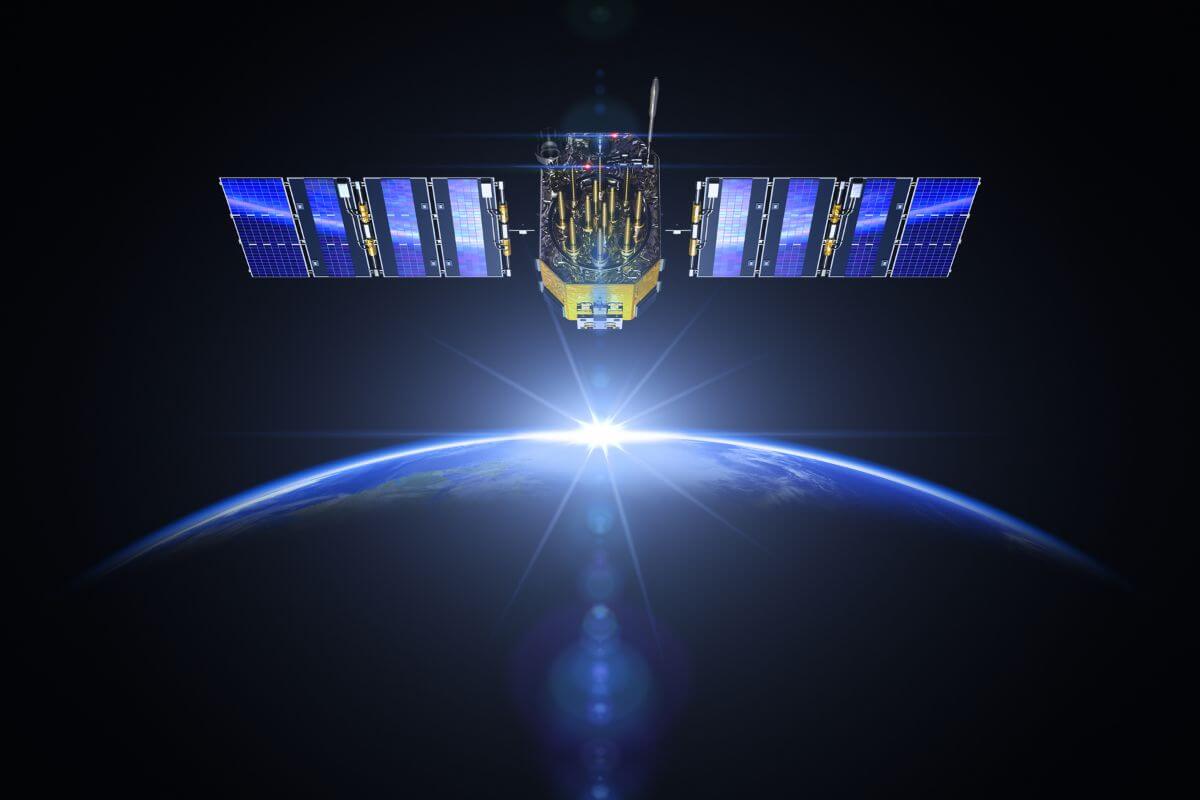

Persistent Global Navigation Satellite System (GNSS) interference originating from Russia is an act of aggression designed to put European lives at risk, raise costs and normalise insecurity below the threshold of war.
As Europe’s reliance on GNSS-based services for national strategic security has increased, the impact across civil, military and commercial sectors has severed.
The threat to aviation security is real and growing. Around 40% of European air traffic is affected by GNSS interference. Recent data shows a five- to 10-fold increase in Russia’s jamming and spoofing operations in the Nordic, Baltic and Arctic regions, with evidence pointing to Russia’s militarised Kaliningrad and Kola Peninsula as the origins. The Black Sea and the Mediterranean regions are also increasingly targeted.
The UN, EU and NATO remain slow and fragmented in their strategic response. The UN’s power to hold Russia accountable under international law remains largely symbolic; NATO’s response has been limited; and the EU has yet to adopt a coordinated action plan, despite a coalition of 17 EU Transport Ministers led by Lithuania calling for immediate action. In the absence of coherent political action, pilots and the wider aviation community are left to shoulder the burden of preventing a mass-casualty event in Europe.
This paper discusses current mitigation measures and analyses how and why the UN, NATO and EU have failed to prevent Russian GPS operations. It puts forward 17 proposals for an EU-wide framework to counter GNSS interference – across political, legal and institutional; financial and technical; and societal levels – in close cooperation with NATO.
Political, legal and institutional level:
-
Recognise combatting GNSS interference as a high political priority;
-
Adapt legal culture with guiding criteria to assess acts of aggression that fall short of war as distinct from a war of aggression – ensuring criminal accountability and costs;
-
Extend legal culture to suppliers to tighten licencing and authorisation;
-
Broaden the EU sanctions regime to cover GNSS interference;
-
Incorporate GNSS interference into EUROPOL’s mandate;
-
Challenge the UN’s enforcement and accountability mechanisms;
-
Communicate clearly about GNSS interference as an act of aggression.
Technical, financial and societal level:
-
Share EU Radio Frequency Interference monitoring service with NATO;
-
Scale up existing EU and NATO activities to combat GNSS interference;
-
Establish Central Hub for GNSS security in Eastern Europe and include Ukraine;
-
Strengthen EU Hybrid Rapid Response Teams and NATO counter-hybrid support teams with GNSS- specific expertise;
-
Complement Galileo capabilities with a diverse portfolio of new technologies;
-
Conduct exchanges and consultations with relevant stakeholders;
-
Integrate response measures into civil-military training and exercises;
-
Include electronic warfare capabilities and integration with Ukraine in National Defence Investment Plans due 30 November 2025;
-
Top up EU budget for electronic warfare capabilities under the current MFF, involving Ukraine;
-
Raise public and industry awareness of risks associated with GNSS interference.
Read the full Discussion Paper here.
Maria Martisiute is a Policy Analyst with the Europe in the World Programme at the European Policy Centre.
The support the European Policy Centre receives for its ongoing operations, or specifically for its publications, does not constitute an endorsement of their contents, which reflect the views of the authors only. Supporters and partners cannot be held responsible for any use that may be made of the information contained therein.