


Freezing but unbroken: Ukraine’s winter of resilience

Failing to make major progress on the battlefield, Russia has weaponised winter, targeting civilians and infrastructure to undermine Ukraine’s resilience and pressure Kyiv into capitulation. Sustained urgent action and international solidarity can turn this threat into a force for Ukraine’s survival and recovery.
The most difficult winter of their lives
For much of January, millions of Ukrainians have been left in the dark and bitter cold, enduring subzero temperatures during the country’s worst winter in years. Without heating, electricity and often water for days on end, nearly half a million residents have fled Kyiv. Russia aims to make the capital and other cities across Ukraine uninhabitable by relentlessly pounding critical infrastructure, including power plants, substations, transmission lines and heating systems. Ukraine’s highly centralised, Soviet-era water, heating and sewage networks mean that single attacks can cut off essential services to thousands of homes at once.
Prolonged power outages are severely disrupting health care, forcing hospitals to postpone surgeries and ration care – particularly in intensive care units (ICUs) and neonatal facilities. Vulnerable populations, including the elderly, children and people with disabilities, are disproportionately affected. On 15 January, President Volodymyr Zelenskyy declared a nationwide state of emergency in the energy sector. The scale, coordination and persistence of these strikes point to a deliberate strategy to break civilian morale.
On 29 January, US President Donald Trump announced that Russian President Vladimir Putin has agreed to end strikes on Ukraine’s energy infrastructure for one week. The credibility of this commitment is uncertain. Rather than asking for a temporary pause, Washington should demand a full and permanent end to these brutal attacks. Anything less reeks of weakness.
Keeping the lights on
Responding to widespread outages is a relentless task. Yet, true to their resilience, Ukrainians have not buckled under the pressure. Emergency crews work around the clock to sustain even minimal power supplies, often carrying out repairs under fire and with dwindling equipment. As energy, water and other critical systems are struck simultaneously, responders face severe operational trade-offs. Despite these constraints, they continue to adapt and improvise to keep essential services running.
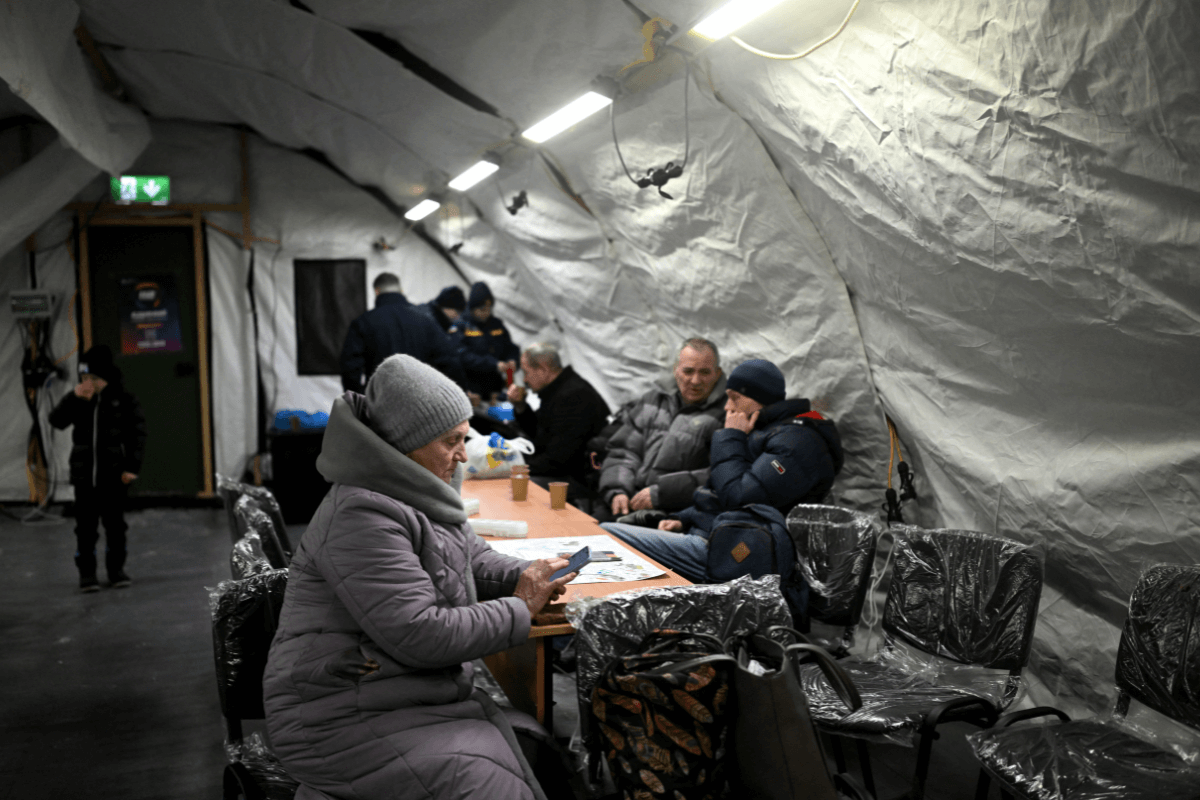
Kyiv has established 'invincibility points' – community resilience hubs and heating tents that provide warmth, power and food – coordinated with humanitarian partners to offer lifelines during blackouts. Humanitarian organisations are also distributing winter supplies, insulating buildings and supporting heating systems wherever possible.
Ukraine’s partners have rallied
Ukraine’s partners are providing critical support to keep the country’s energy systems functioning. European institutions have mobilised emergency energy and winter assistance, including delivering generators – among them large one-megawatt units – through the EU Civil Protection Mechanism and the rescEU stockpile to keep hospitals and shelters operational. Member states are complementing these efforts: Germany has been the largest contributor, delivering critical equipment such as transformers, generators and cables to restore and protect the grid. Numerous other countries, including Australia, Canada, Norway and United Kingdom, have contributed via the Ukraine Energy Support Fund.
NGOs are playing a vital role by delivering generators, heaters, power banks and solar energy systems, alongside basic supplies such as blankets, to hospitals, schools and vulnerable communities. Their work not only saves lives during outages but also strengthens local resilience under sustained pressure.
However, with winter far from over and Russia’s war of aggression showing no sign of ending, short-term fixes and ad hoc winter assistance are insufficient. Ukraine must be prepared for prolonged, deliberate attacks on civilian infrastructure. This requires sustained, coordinated partner support – not only for the months ahead, but also to prepare for the 2026–2027 heating season and potentially beyond. Partners must scale humanitarian responses that address both immediate suffering, systemic needs and Russia’s longer-term threat.
The following steps are essential:
Strengthen air and missile defence. Russia’s campaign is primarily aerial, with drones and missiles saturating defences and wearing down interceptors. Ukraine has repeatedly requested more air defences, particularly to protect energy and civilian infrastructure. Partners expedite the delivery of advanced air defence systems and interceptor missiles and help integrate them into a coordinated, layered network. This will require increased supplier production and scaled European partner financing for acquisitions made through NATO’s Prioritised Ukraine Requirements List (PURL).
Rapidly expand energy resilience aid, specifically for decentralised, hardened and difficult-to-replace energy infrastructure. This includes distributed renewable energy systems (solar, wind and battery storage) for hospitals, shelters and frontline communities. Mobile microgrid kits capable of operating independently from the main grid are also vital. Critical infrastructure should be physically reinforced, including through underground cabling. International financing and technical expertise can accelerate this work.
Stockpile critical components. Transformers, compressors and other essential electrical parts must be pre-positioned to enable rapid repairs when outages occur. These efforts should be paired with technical training to help Ukrainian teams install and protect equipment efficiently.
Scale up humanitarian and social support. European leaders must continue and scale investment in emergency shelters, including expanded cash-assistance programmes to cover heating and fuel costs.
Ensure legal accountability. Attacks on civilian infrastructure constitute war crimes. Russia – from Putin and his henchmen to the companies supplying the materials and technology enabling these strikes – must be held accountable.
Ukraine’s energy emergency is a test of will and solidarity. It challenges the resilience of the Ukrainian people and the commitment of their allies to counter Russian aggression with effective, robust and decentralised solutions. It also offers important lessons on infrastructure protection and civil preparedness. For European citizens, it sends a strong reminder of how far Russia is willing to go – and why Europe must grow stronger in rebuilding a long-term security architecture for the continent.
Amanda Paul is Deputy Head of the Europe in the World Programme and Senior Policy Analyst.
The support the European Policy Centre receives for its ongoing operations, or specifically for its publications, does not constitute an endorsement of their contents, which reflect the views of the authors only. Supporters and partners cannot be held responsible for any use that may be made of the information contained therein.