

It is Moldova’s moment: Europe must act while there is still time
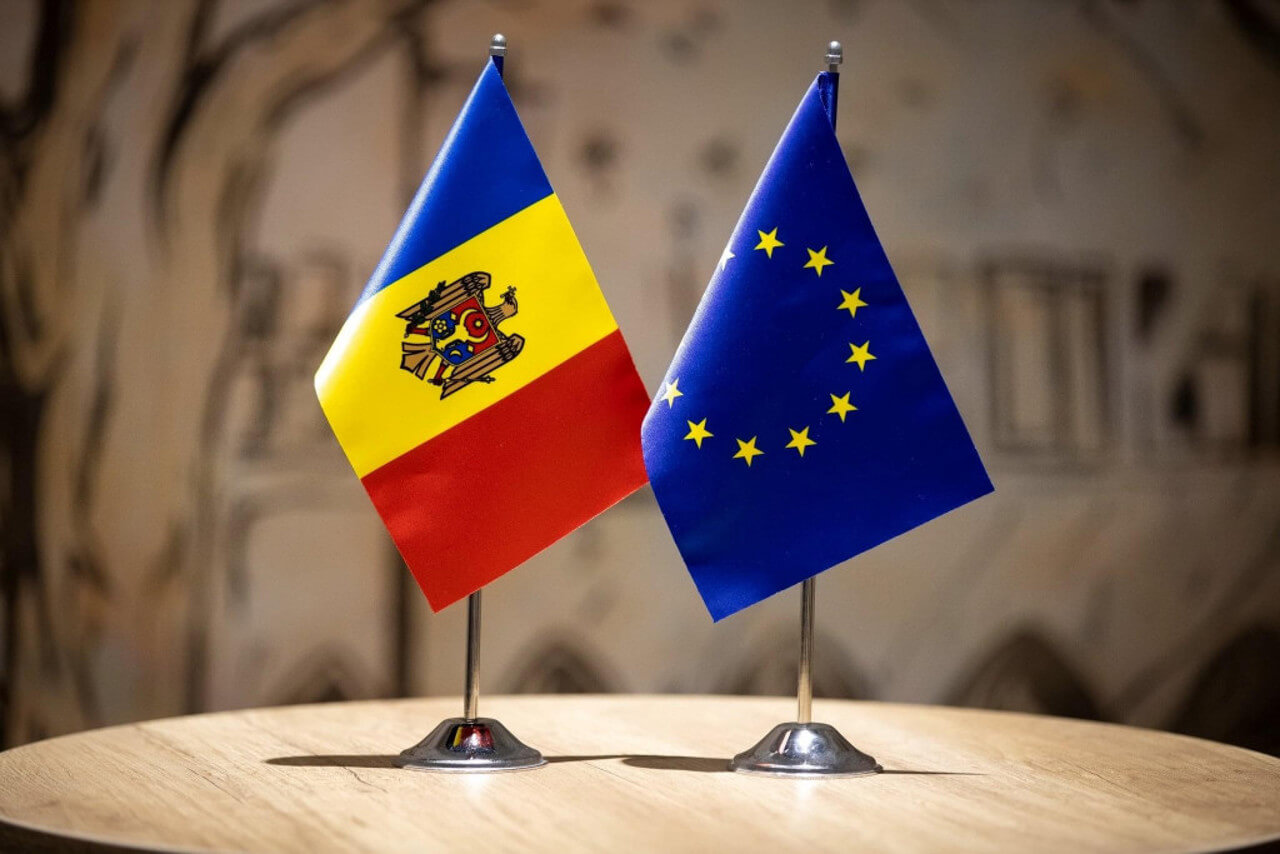

As Moldova approaches pivotal parliamentary elections this 28 September 2025, it finds itself at the epicentre of an intensifying Russian hybrid offensive. Chisinau faces a full-spectrum campaign of disruption that blends disinformation, energy coercion, vote-buying, and digital subversion to fracture Moldova’s democratic resilience.
How this small but determined nation responds, and how strongly the EU supports it, will send a powerful signal on the future of EU enlargement and whether democracies on Europe’s eastern edge can withstand and repel the pressure of coordinated authoritarian interference.
According to Valeriu Pașa of the Chișinău-based think tank WatchDog.MD, Russia isn’t aiming to win hearts and minds—rather, it seeks to hollow them out. The goal is to sow enough confusion and cynicism that citizens disengage altogether from the democratic process. In Moldova, this means encouraging apathy, disillusionment, and a sense that no political choice is worth believing in. The diaspora vote saved the day in the 2024 presidential election, which has led Moscow to intensify its efforts in the expatriate Moldovan community in 2025.
Observers describe the disinformation campaign targeting Moldova’s 2025 elections as “unprecedented in volume and coordination,” with Russian state media, social networks, and local political proxies amplifying anti-European and anti-government messages across multiple platforms. One particularly insidious example is the anti-EU chatbot “STOP UE”, which simulates grassroots messaging while disseminating Kremlin-aligned disinformation. These narratives target emotionally resonant themes such as Moldova’s energy insecurity, its complex identity politics, and fears over national sovereignty.
One of Moscow’s key instruments of influence is its support for political actors that oppose Moldova’s pro-EU trajectory. Chief among them is the Șor Party, which was banned by Moldova’s Constitutional Court in 2023 due to corruption and links to Russian influence networks.
In response, Șor Party founder and exiled oligarch Ilan Shor helped establish the Victory Bloc in April 2024 as a coalition of pro-Russia parties. This was launched in Moscow, sending a clear signal that Russia not only supports, but actively coordinates Moldova’s internal opposition. Russian officials have reportedly helped to fund and organise the bloc, providing campaign financing and narrative framing intended to polarise the electorate and delegitimise Moldova’s Western partnerships.
In the wake of the 2024 presidential election, credible reports surfaced of Russian-backed actors offering cash, food, and even firewood in exchange for votes. This old-school tactic dressed in 21st-century geopolitics was used to erode public trust and tip the scales through desperation and manipulation.
Beyond political and informational influence, Russia continues to exploit Moldova’s economic vulnerabilities, especially in the energy sector. In late 2024 and early 2025, Gazprom sharply reduced natural gas supplies to Moldova, triggering rolling blackouts and heating shortages in several cities. The effects were particularly acute in Transnistria, the Russian-backed breakaway region in eastern Moldova, where authorities warned of an impending humanitarian crisis.
The Kremlin and its local proxies sought to blame Chișinău for the crisis, claiming that pro-European policies had cut off vital energy flows. In fact, the shortages were engineered by Moscow itself, part of a longstanding strategy of energy coercion. Moldova’s pro-EU liberal President Maia Sandu described the move as “energy blackmail,” timed to influence public sentiment ahead of the election.
Digital defence: Moldova’s response with EU backing
In June 2025, Moldova conducted a digital hybrid threats exercise in partnership with the European Commission. The stress-test, held in Chișinău, was the first of its kind and brought together EU officials, Moldovan institutions, fact-checkers, cybersecurity teams, and representatives from Meta, Google, and TikTok. Together, they explored coordinated responses to a range of hybrid threats including disinformation, cyberattacks, platform manipulation, and AI-driven content spoofing.
This initiative demonstrated Moldova’s increasing integration with EU digital resilience and hybrid defence mechanisms, including the Hybrid Fusion Cell and Cyber Rapid Response Teams. It also highlighted the EU’s evolving role in supporting democratic resilience in candidate countries, a key priority as Moldova deepens its EU accession process.
Domestically, Moldova is moving to introduce fines for individuals and entities spreading online disinformation through a proposed set of legal reforms, debated in Parliament in mid-2025. These reforms aim to strike a balance between protecting free speech and reducing the impact of coordinated manipulation. However, enforcement remains a challenge, especially given the scale of foreign involvement and the anonymity of digital networks.
Moldova’s greatest asset in this fight may be its civil society and youth population. Organisations like Ziarul de Gardă, TV8, StopFals, WatchDog.MD, and the Independent Journalism Center continue to monitor, debunk, and educate—often working with minimal resources and under significant pressure. Their role is not only to expose lies, but to help rebuild trust in facts.
Despite persistent challenges, Moldova’s young urban voters and civic leaders remain deeply engaged and strongly pro-European, making them a vital counterweight to Russian subversion.
Defending Moldova’s democracy is not only a national concern, but a European security imperative. Moldova and Ukraine represent the front line of Russia’s authoritarian push westward; how the EU and its allies respond will have implications far beyond the region. Boosting Moldova also sends a strong signal of determination on continued support for neighbouring Ukraine.
Supporting Moldova’s democratic resilience
Ahead of the elections, the EU has a pivotal role to play. Moldova is not only a candidate for EU membership, but also a test case for the Union’s ability to defend democracy, deter malign influence, and project stability into its immediate neighbourhood. The following recommendations outline urgent steps the EU can take to reinforce Moldova’s defences and uphold the integrity of its democratic process:
Provide a clear path to EU membership. If the EU is serious about a Moldova that is whole and free, then it must offer a clear path to membership well before the election. In addition, EU leaders must offer visible support and highlight the EU’s financial commitment through the Reform and Growth Facility, which makes twice-yearly payments of €400 million to support Moldova’s path toward membership. EU leaders should plan to join Moldova’s Independence Day celebrations on 27 August, ideally accompanied by business representatives announcing plans for new investments in a free and democratic Moldova.
Strengthen strategic communications and civic resilience. Given the huge loss of funding by USAID, the EU must urgently expand funding for civil society and public education campaigns in Moldova aimed at countering disinformation and promoting democracy. These efforts should emphasise multilingual, culturally tailored messaging, particularly in Russian-speaking and Gagauz communities. The EU’s StratCom Task Force East should deepen partnerships with Moldovan ministries, local NGOs, and youth networks to co-develop narrative countermeasures and digital engagement tools.
Engage remote EU cyber and hybrid threat support. The EU should make full use of its Cyber Rapid Response Teams and Hybrid Fusion Cell to support Moldova’s election security remotely. This includes conducting real-time monitoring of digital platforms for coordinated influence operations, artificial amplification, and cyber disruptions. These assets should work in close coordination with Moldova’s Cyber Security Centre (CERT) and national intelligence units, ensuring interoperability and rapid information-sharing.
Support independent media and civil society. The EU should significantly increase funding for independent journalism, fact-checking organisations, and watchdog NGOs in Moldova. Emergency support mechanisms should be made available to outlets targeted by harassment or SLAPP lawsuits. Long-term sustainability programs, such as core funding grants under the European Endowment for Democracy, should be scaled to match the scale of the hybrid threat.
Deploy a robust electoral observation mission. The EU should send a long-term Electoral Observation Mission (EOM) with specialists in digital interference, political finance, and strategic communications. The mission’s findings should directly inform post-election EU-Moldova engagement, including support for institutional reforms and resilience-building.
Accelerate legal and regulatory assistance. Moldova’s efforts to regulate online disinformation and illicit political financing can benefit from targeted EU legal expertise and assistance. Through the EU’s Twinning and TAIEX instruments, the European Commission has the capacity to support Moldova’s drafting and implementation of laws that align with EU standards on freedom of expression, electoral fairness, and cybersecurity.
Moldova is not alone. With EU backing, growing domestic awareness, and a determined civil society, the country has a fighting chance to push back and choose a parliament that supports a democratic future. The choices Brussels makes in the coming months will also help define whether Europe can extend its promise of democracy, stability, and dignity to those still striving to secure it.
Chris Kremidas-Courtney is a Senior Visiting Fellow at the European Policy Centre.
The support the European Policy Centre receives for its ongoing operations, or specifically for its publications, does not constitute an endorsement of their contents, which reflect the views of the authors only. Supporters and partners cannot be held responsible for any use that may be made of the information contained therein.