

Lessons from the combustion engine crash
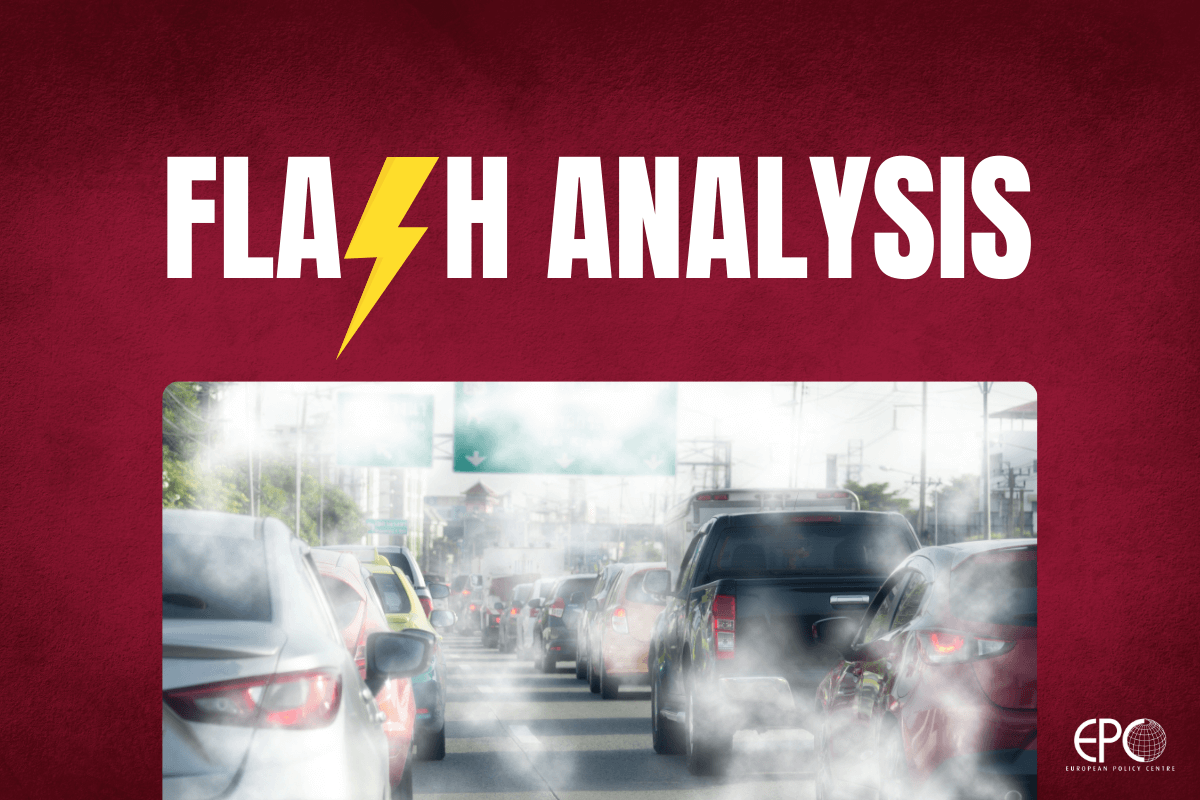

The EU ban on combustion engines will not apply in 2035. On 16 December, the European Commission proposed to soften the legislation adopted two years ago, and to allow carmakers to reduce CO2 emissions by 90% rather than 100% (compared to 1990).
This decision was an accident waiting to happen. Pressure from the car industry and national governments had been mounting on the Commission in the face of weak consumer demand, strong Chinese competition in electric vehicles (EVs) and declining production in the EU. Concerns about the EU’s competitiveness have already led to backtracking on the environmental agenda. And amid a more general backlash against the Green Deal, the ban on combustion engines had become a symbol of EU technocratic overreach and an electoral argument for populist parties.
What happened to the ban is a clear example of how the EU has so far failed to solve the trilemma between climate, competitiveness and public acceptance. Responsibility is shared among all actors involved, and lessons should be learned for the future.
Europe is not alone in the world. With the Green Deal, the EU aimed to be “the first climate-neutral continent” and a global leader in the climate transition. But it did not see what others were doing. It did not see China’s rise in EVs and the massive, destabilising impact it would have on EU markets and the European industry. Likewise, it did not anticipate the growing competition for critical raw materials enough, failing to find in time ways to reduce the risks on supply chains and the ensuing costs.
Political will cannot ignore realities. The Green Deal was a piece of voluntarist policymaking aimed at waging the necessary fight against climate change. But political leaders did not sufficiently consider the economic and social distributional costs. They failed to address the trade-offs between short-term costs and long-term benefits for the industry and the citizens.
Regulating is not everything. The Commission proposed no less than a “transformation of the EU economy and society to meet climate ambitions”. EU lawmakers – the Parliament and member states in the Council – duly adopted all the measures. But laws and targets alone cannot decide how the industry and consumers will act. And the EU never really addressed the question of the funding of the twin climate and digital transitions.
Trust is key to delivering. EU policymakers didn’t ensure buy-in from industry and citizens. Conversely, carmakers and a growing number of citizens didn’t accept the EU’s ambition to transform their production and way of life to save the planet. Without honest and sustained dialogue between policymakers and the rest of society, the democratic process doesn’t bring political legitimacy.
Eric Maurice is a Policy Analyst in the European Politics and Institutions Programme at the European Policy Centre.
The support the European Policy Centre receives for its ongoing operations, or specifically for its publications, does not constitute an endorsement of their contents, which reflect the views of the authors only. Supporters and partners cannot be held responsible for any use that may be made of the information contained therein.