

Sanctions 19.0: the EU moves on LNG, circumvention under transatlantic pressures
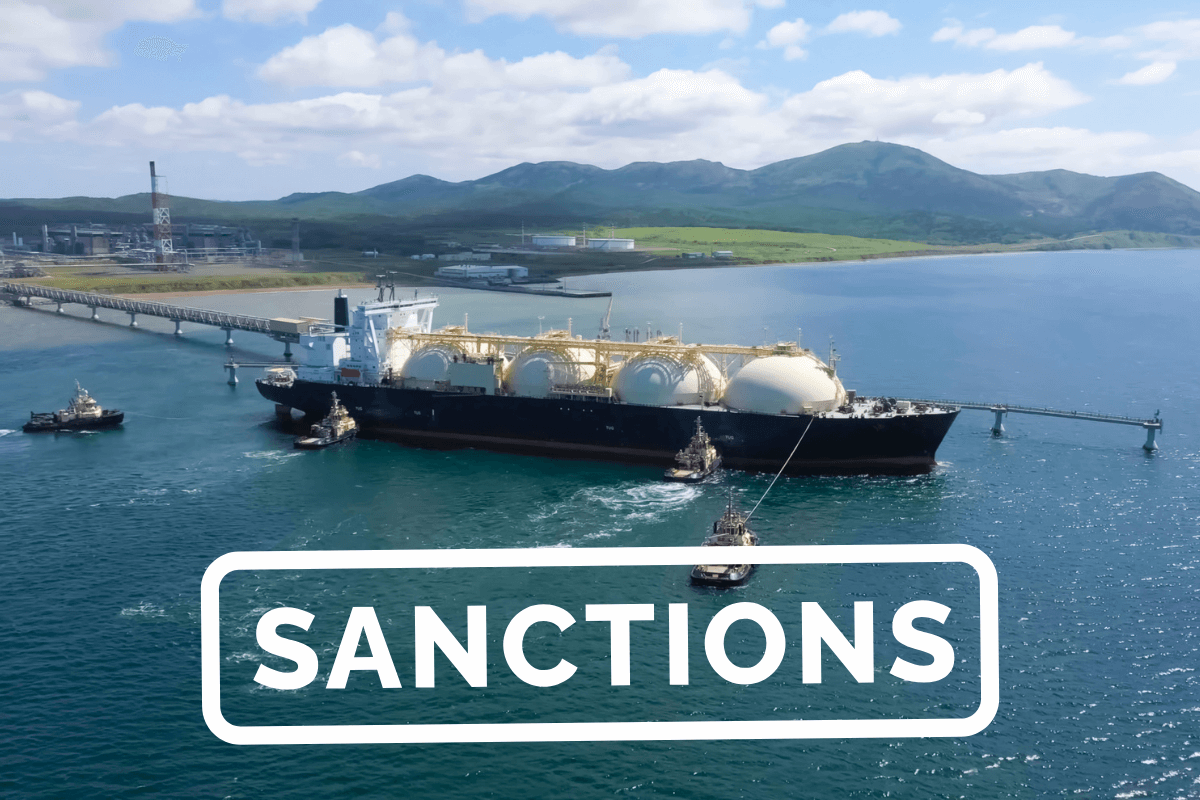

The European Commission’s 19th sanctions package finally tackles energy loopholes by proposing the EU’s first-ever ban on Russian LNG imports.
Unveiled on 19 September, the "hard-hitting" proposal targets Russia’s energy export revenues, shadow fleet, banks, crypto platforms and sanctions circumventions in third countries. Arriving amid Washington’s shifting rhetoric towards the EU and the Kremlin, the package seizes the moment to end remaining EU dependence on Russian fossil fuels after 3.5 years of war.
EU energy loopholes and transatlantic pressure
Europe is under pressure to act. With Russia escalating its war on Ukraine and spurning negotiations, and Washington demanding more, the EU seeks to reinforce sanctions and strengthen coordination with partners. But divisions within and beyond the Union persist, not least over Washington’s shifting approach. For instance, the US has declined to align with the EU and UK on lowering the oil price cap to $47.6.
Moreover, while US President Donald Trump’s rhetoric on the Kremlin has hardened, he conditions US sanctions on prior European action – including for the EU to cut energy ties with Moscow and impose tariffs on China and India. These comments largely reflect domestic interests in boosting LNG exports and leveraging trade negotiations. Yet they are not baseless: the EU continues to purchase Russian fossil fuels, spending €21.9 billion in 2024.
The first major loophole in the EU’s energy policy is its exemption for pipeline oil. While Russia’s share of EU oil imports dropped from 27% in 2021 to just 3% in 2024, landlocked countries like Hungary and Slovakia still receive crude through the Druzhba pipeline. This exemption, meant to be temporary, remains in place despite alternatives like the Adria pipeline. Such dependence weakens the EU’s credibility when coordinating with transatlantic partners.
The second major loophole is gas. The EU’s reliance on Russian gas dropped from 45% in 2021 to 18% in 2024, partly offset by increased imports from Norway and Algeria, renewables and efficiency measures. Still, gas flows through TurkStream – the only remaining pipeline after Ukraine refused to renew its transit deal in January 2025 – and Russian gas imports remain unsanctioned. Russia has also expanded LNG sales, becoming the EU’s second-largest supplier (13% in Q2 2025) behind the US (58%).
The “refining loophole” is also significant. The EU and partners (including the US) still allow imports of petroleum products refined in third countries (like India and Türkiye) from Russian crude – an exemption that incentivises large-scale purchase of Russian oil. CREA estimates that G7+ countries imported €18 billion of refined products from India and Türkiye, half from Russian crude. The EU’s 18th package closed this gap: from January 2026, imports and transfers of such products will be banned, with importers required to prove the origin of crude used in refined products.
Closing energy loopholes – but not all and not immediately
The 19th package focuses on accelerating the phase-out of Russian fossil fuels. For the first time, it suggests a full prohibition of Russian LNG imports by January 2027, one year earlier than the REPowerEU timeline. But even this tighter deadline is slow: It comes 3.5 years after the onset of Russia’s full-scale war and entails more than a year’s transition until January 2027. Securing unanimity for a faster phase-out may prove difficult: In 2024 alone, EU countries paid €7 billion on Russian LNG in 2024, signalling continued reliance. Major buyers Belgium and France cite legal risks from long-term contracts and diversification challenges.
The proposal avoids restrictions on Russian pipeline oil imports, likely to prevent expected vetoes from Hungary and Slovakia. Talks continue, but if no agreement is reached, the EU could turn to alternative measures such as import tariffs, which require only a qualified majority (as with Russian fertilisers).
On pipeline gas, the Commission’s legislative proposal for the REPowerEU Roadmap foresees ending imports by late 2027, but faces Hungarian and Slovak resistance. While only a qualified majority is needed for this decision, supporting diversification will be key to winning consent. Hungary’s long-term natural gas purchase contract with Shell is a step in this direction.
Additionally, the package targets Russia’s shadow fleet, blacklisting 118 new vessels that Russia employs to bypass the G7 oil price cap (562 in total). Leading Russian energy companies Rosneft and Gazpromneft will be placed under a full transaction ban.
Targeting sanctions circumvention in third countries
Trump’s call for EU tariffs of 50–100% on buyers of Russian oil – including China and India – is unrealistic, as it would represent a major departure from WTO rules and face opposition by member states heavily dependent on those markets. Instead of sanctioning entire countries, the EU is sticking to an targeted approach: sanctioning specific companies and entities where there is clear evidence of circumvention. The Commission’s proposal extends sanctions to non-Russian companies and financial operators in third countries, blacklisting energy-related entities such as refineries, oil traders and petrochemical companies from China, India and elsewhere that buy Russian oil in breach of Western sanctions.
The Commission also proposes new export bans and tighter export controls to Russia and third countries, including China and Kazakhstan, but stops short of activating the “anti-circumvention tool” that would prohibit the export of specific products to countries deemed at high risk of facilitating circumvention.
Closing financial loopholes is also key. The package bans transactions with more Russian banks and with banks and financial institutions in third countries, restricts Russia’s MIR credit card and SBP fast payment system, and, for the first time, limits crypto platforms and transactions used to circumvent bank sanctions.
Keeping all on board
At the informal European Council in Copenhagen, EU leaders described the 19th sanctions package as “more robust rather than incremental”. But divisions over oil and gas and dependence on third countries make achieving unanimity, required for adoption, difficult to secure.
Russia’s recent breaches of European airspace could spur the swift, coordinated decision-making the package requires. If adopted alongside a legal decision to phase-out Russian energy, it would represent the EU’s strongest sanctions response since 2022. But its effectiveness will depend on enforcement and credibility: half measures and prolonged exemptions risk undermining both.
Svitlana Taran is a Policy Analyst in the Europe in the World Programme at the European Policy Centre.
The support the European Policy Centre receives for its ongoing operations, or specifically for its publications, does not constitute an endorsement of their contents, which reflect the views of the authors only. Supporters and partners cannot be held responsible for any use that may be made of the information contained therein.