

Why Pakistan has become the Iran War’s key mediator – and India has not
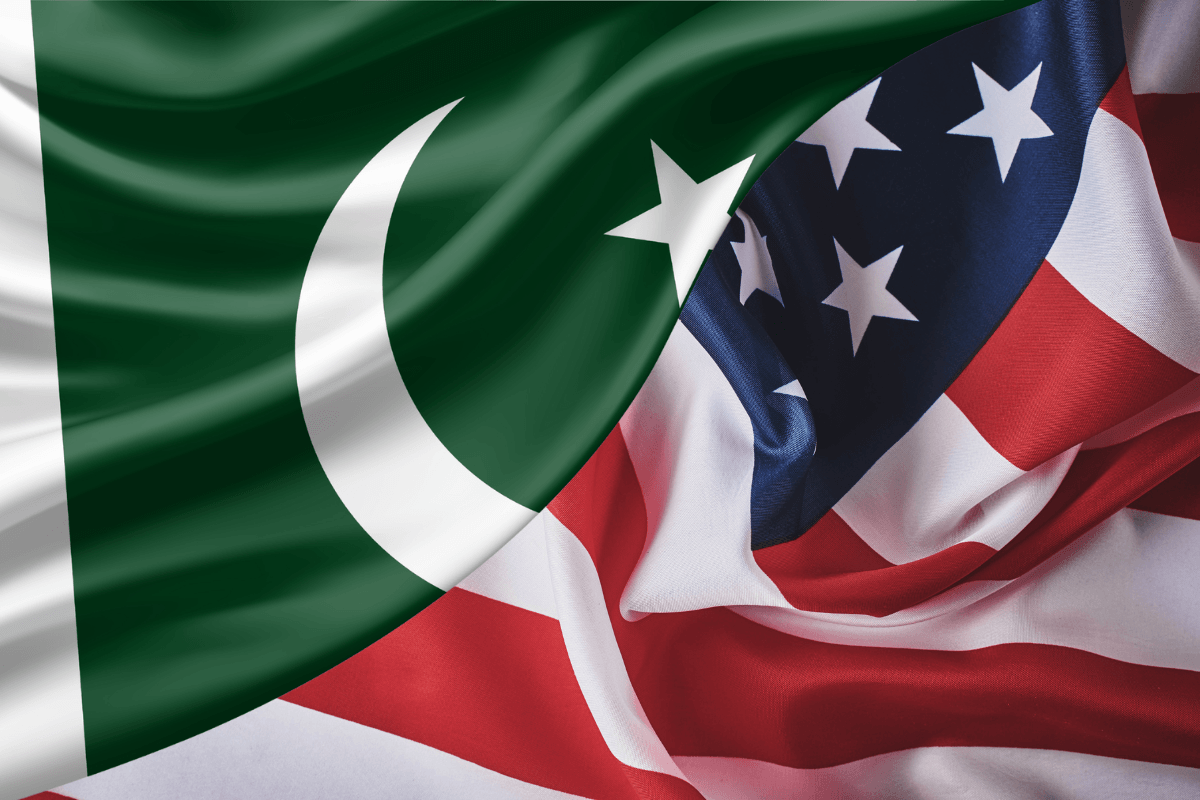
Pakistan has pulled off something few in Washington or New Delhi would have predicted: becoming the indispensable mediator in the Iran war. India, by contrast, has tilted towards the US-Israeli camp yet gained little diplomatic leverage. Pakistan, while condemning those same strikes, has emerged as Washington’s preferred backchannel to Tehran. The contrast exposes a deeper truth: in the global war of narratives, Pakistan remains agile and opportunistic, while India’s diplomacy appears constrained and cautious.
According to an Asia Times report, Pakistan’s ascent began almost by accident. Its geography, intelligence networks and long, complicated relationship with Iran – including Tehran once firing missiles into Pakistani territory to target Sunni militant groups – may have made it a natural conduit once the conflict escalated. But what turned Islamabad into a central player was not geography alone; it was speed.
Within days of the first US-Israeli strikes, Pakistan positioned itself as the only actor capable of talking to all sides: Washington, Tehran, Riyadh and Doha. Its military establishment – which dominates foreign policy – delivered a clear message that Islamabad was willing to help prevent a regional conflagration. That clarity resonated in Washington.
Pakistan’s pitch worked. US officials, wary of being seen engaging Tehran directly, increasingly relied on Islamabad to pass messages, de-escalate flashpoints and interpret Iranian intentions. Pakistan’s diplomats, long accustomed to crisis bargaining, seized the moment.
This diplomatic assertiveness fits a broader pattern. The often politically instable nuclear armed state has long excelled at adapting its image to the prevailing geopolitical winds. During the Cold War and the US-led “War on Terror”, it positioned itself as an indispensable ally, securing billions in aid despite accusations of playing a double game, including sheltering Osama bin Laden – though Pakistani authorities denied knowing he was in the country. When confronted with evidence of sponsoring terrorist groups, whether in India, Afghanistan or elsewhere, Pakistan often pivots to portray itself as a victim of terrorism, citing its own casualties to obscure its role in regional instability. Its military-dominated system enables swift, unified messaging that often outpaces India’s slower, more bureaucratic diplomacy.
By contrast, India – despite its military success in last year’s three-day Operation Sindoor, which targeted terrorist infrastructure in Pakistan – has struggled to shape the international narrative. In the Iran conflict, India has tilted towards the US and Israel, reflected in Prime Minister Narendra Modi’s closeness to Benjamin Netanyahu and a muted response to the sinking of the Iranian frigate IRIS Dena just outside Indian territorial waters.
While Pakistan actively inserts itself as a diplomatic backchannel, India has adopted a low-key posture, shaped by strategic caution and a preference for avoiding risky leadership roles. Domestic political critics have noted this sidelining, prompting defensive rhetoric from India’s foreign minister, Subrahmanyam Jaishankar, who insisted that “India is not a dalal nation”. The Hindi term dalal, meaning broker or middleman, also carries a slang connotation closer to “pimp” in English – making the remark sound undiplomatic and ill-judged, and suggesting frustration rather than strategic clarity.
What makes Pakistan’s diplomatic success particularly striking is that it comes amid its own reckless regional behaviour. Even as it mediates between Washington and Tehran, Pakistan has escalated its military campaign in Afghanistan, including strikes that reportedly killed hundreds at a drug rehabilitation hospital. Yet this contradiction is entirely consistent with Pakistan’s decades-long pattern: playing arsonist and firefighter simultaneously, while persuading global powers that it is indispensable in both roles.
Pakistan’s rise as mediator does not mean it is trusted – merely that it is useful. But in Trump-era geopolitics, usefulness often matters more than virtue.
Whether Pakistan can convert this moment into lasting strategic reinvention remains uncertain. Overreach in multiple theatres, economic vulnerabilities and dependence on Trump’s unpredictable politics all carry risks. Iran’s public denials of talks add another layer of fragility. Yet for now, Pakistan has achieved something more important than trust – it has become useful.
This op-ed was originally published in the European Business Review.
Rajnish Singh is a Media Outreach Executive at the EPC Communications team.
The support the European Policy Centre receives for its ongoing operations, or specifically for its publications, does not constitute an endorsement of their contents, which reflect the views of the authors only. Supporters and partners cannot be held responsible for any use that may be made of the information contained therein.