

Dan Jørgensen charts Europe’s path to a Russia-free energy system
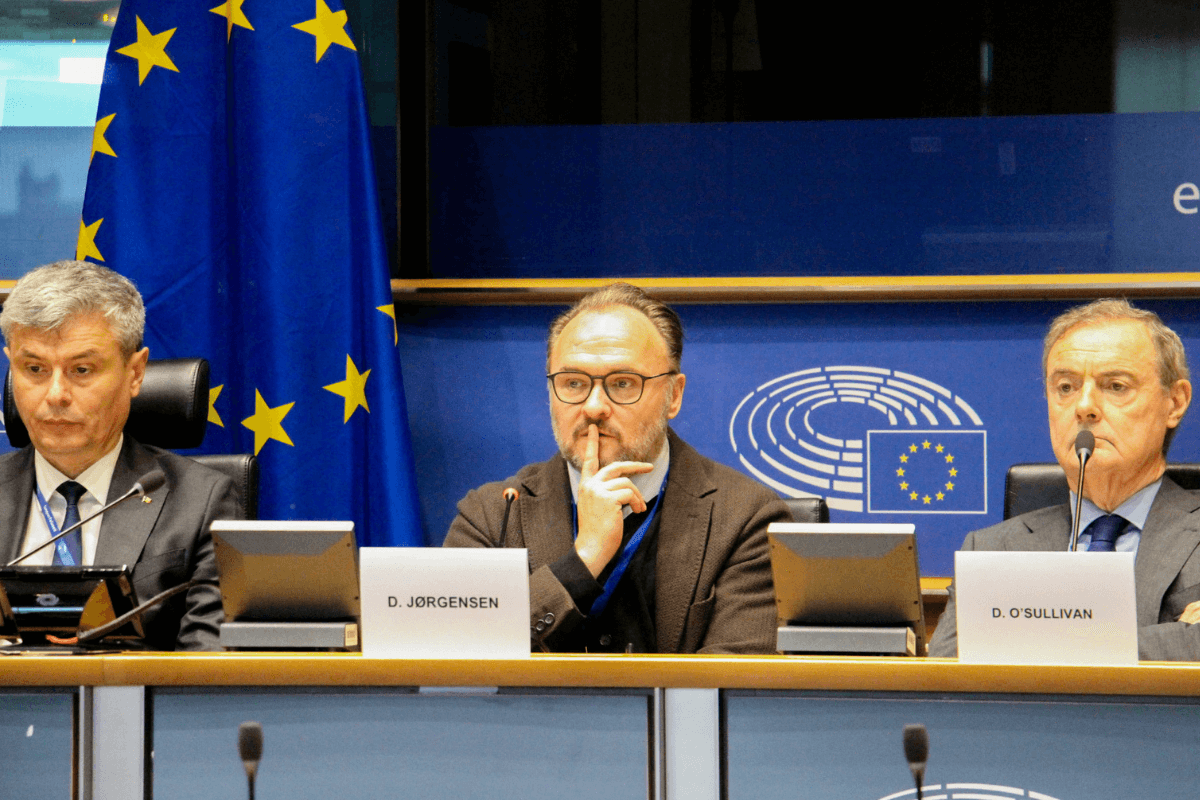
At a European Policy Centre event in the European Parliament on 14 January 2026, senior EU and Ukrainian officials outlined the progress made in reducing Europe’s dependence on Russian energy and the challenges that still lie ahead. The discussion highlighted the EU’s rapid transformation since 2022, the continuing vulnerability of Ukraine’s energy system under attack, and the need for stronger coordination, enforcement and long‑term strategic planning. The event was titled, “Choking Kremlin’s War Machine: Securing EU energy supply without Russia".
European Commissioner for Energy and Housing Dan Jørgensen opened the event, by recalling the shock of Europe’s exposure at the start of Russia’s full‑scale invasion. “If we do not have energy security, we do not have security at all”, he warned, stressing that even countries with relatively low dependence on Russian gas were forced to prepare emergency shutdown plans.
He underlined the scale of the EU’s achievements since then: Russian coal imports have fallen from 49% to zero, oil from 27% to 3%, and gas from 45% to between 10% and 13%. Yet, he insisted, “even 10% is still far too much", noting that Europe had still been paying up to €1.5 billion per month to Russia until recently.
Jørgensen emphasising diversification he said “Lowering energy prices remains important as long as gas is still part of our energy mix. But the fastest and most effective way to reduce prices, decarbonise, and strengthen security is by deploying renewables faster and improving energy efficiency". This will require coordinated planning across the Energy Union.
He argued that Europe’s current approach resembles “27 different people putting a puzzle together without knowing the large picture", and called for more strategic, top‑down system design to avoid fragmentation and inefficiency.
Ukraine’s Deputy Minister of Energy, Roman Andarak, provided a stark account of the daily reality of Russia’s attacks on Ukraine’s energy infrastructure. He described how “hundreds of thousands of people were left without electricity” following recent missile strikes and stressed that modern warfare has eliminated distance as a protective factor. Ukraine’s experience, he argued, shows the need for Europe to strengthen physical protection of critical infrastructure, standardise equipment, and build strategic reserves of transformers and other essential components.
Former Romanian Energy Minister and MEP Virgil Popescu highlighted the importance of unity and rapid action during the 2022 crisis, recalling that “we stood together. We were united and strong”. He stressed the need to accelerate permitting, expand grid capacity and ensure Europe does not replace dependence on Russian energy with dependence on foreign technologies.
International Special Envoy for EU Sanctions David O'Sullivan highlighted how energy sanctions against Russia "squeezed remaining dependencies". Now the EU was targeting the enablers of Russian oil exports: ports, shipping services, brokers, insurers, and refineries that facilitate Russian sales. "We have already taken steps in this direction, including measures affecting refineries in India and Chin", he told the hearing.
Across the discussion, speakers agreed that sanctions enforcement, diversification, infrastructure resilience and transatlantic cooperation remain essential. But the overarching message was clear: Europe’s energy security is inseparable from Ukraine’s, and sustained political will is required to ensure that the Kremlin can no longer weaponise energy against the EU.
Rajnish Singh is a Media Outreach Executive at the EPC Communications team.
The support the European Policy Center receives for its ongoing operations, or specifically for its publications, does not constitute an endorsement of their contents, which reflect the views of the authors only. Supporters and partners cannot be held responsible for any use that may be made of the information contained therein.