

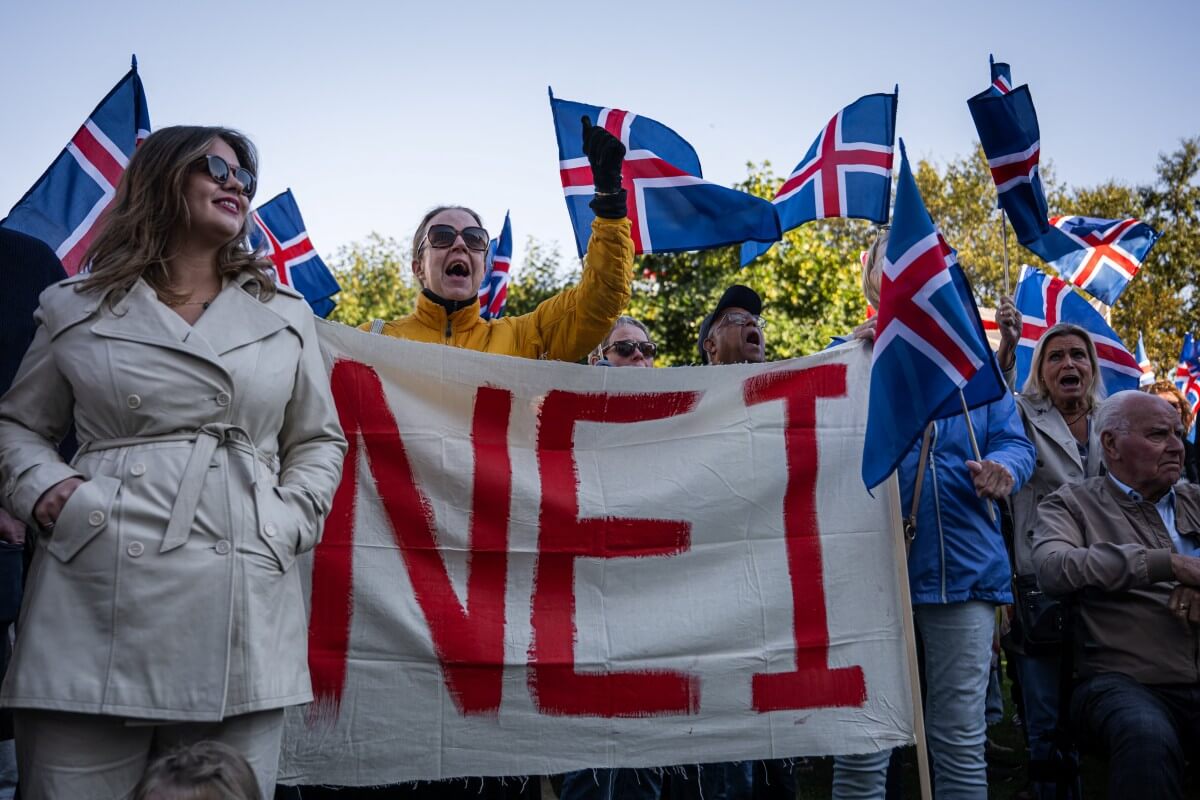
On 29 August 2026, Icelanders voted against renewed negotiations with the European Union (EU) over membership in a referendum.
Should the EU care?
This Nordic island nation of 400.000 inhabitants is a friendly partner: a democratic country of shared values, a member of the European Economic Area (EEA), and, more recently, a ‚security and defence partner of the EU. Iceland might have embarked on becoming the Union’s smallest member, albeit with a GDP around 25 per cent above the EU average. However, given the sensitivity of Iceland’s sovereignty over fisheries, finding a negotiated arrangement that would have pacified this controversial matter and taken the hurdle of a second referendum would have required the EU bending too far in what European Commissioner for Enlargement, Martha Kos, recently called “creative solutions”. Countries that have aspired for much longer to become a member of the club would have watched with a keen eye what “creative solutions” might be in store for them – too risky a prospect for EU negotiators.
The no vote spared the EU a difficult negotiation with an unpredictable outcome; it helped Icelandic Prime Minister Kristrún Frostadóttir demonstrate the commitment to her people by looking into broadening alliances; and it spared her the politics of an almost evenly split country in a new round of negotiations. So now, back to friendly business.
Yet by no means can this be ‘business as usual’: The EU has a strong interest in engaging Iceland in accelerated collaboration within and beyond existing frameworks, including a Europeanising NATO, and sticking together at a time of global upheaval and big power competition in the High North.
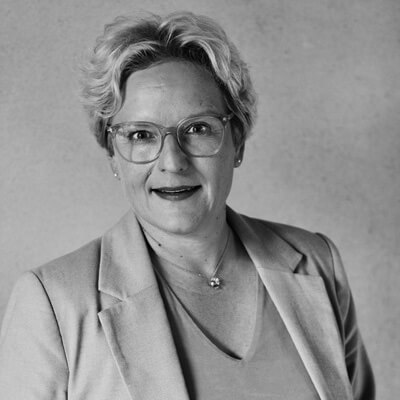
Almut Möller is Director for European and Global Affairs and head of the Europe in the World programme at the European Policy Centre.
The support the European Policy Centre receives for its ongoing operations, or specifically for its publications, does not constitute an endorsement of their contents, which reflect the views of the authors only. Supporters and partners cannot be held responsible for any use that may be made of the information contained therein.