

EU–China relations at a crossroads, Vol. IV: Fifty-Fifty
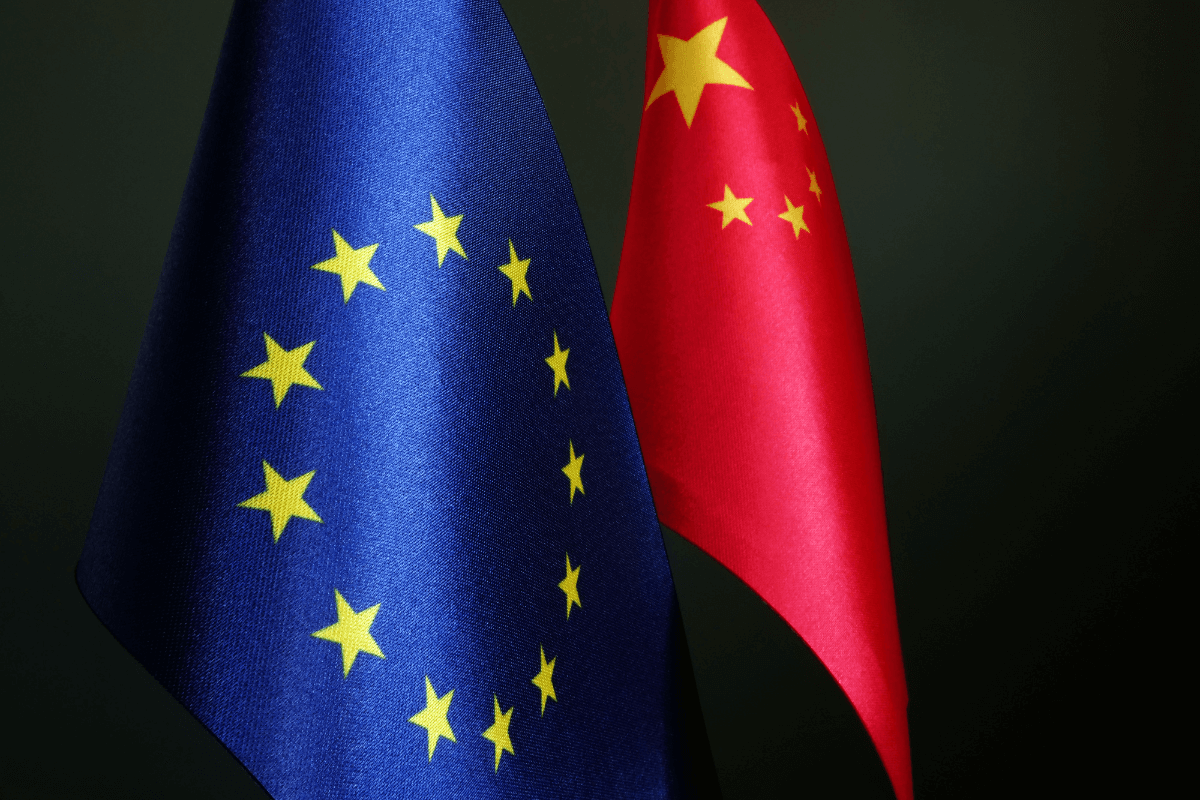

The context of EU–China relations has changed dramatically in recent years. While cooperation with China continues to offer significant opportunities, it also presents growing challenges. Diverging perceptions, strategic interests and approaches to global and domestic affairs increasingly risk undermining the effectiveness of bilateral dialogue. Minimising misperceptions and addressing gaps in understanding is therefore more important than ever.
This new cycle of the EU & China Think-Tank Exchanges, a project funded by the European Union and coordinated by the European Policy Centre (EPC) in cooperation with EGMONT – The Royal Institute for International Relations, the Elcano Royal Institute and the Center for China and Globalization (CCG), seeks to strengthen and revitalise dialogue among think tanks and research institutes across the EU and China. The project also brings together a core group of organisations, including: the Instituto Affari Internazionali (IAI), Mercator Institute for China Studies (MERICS), Institute of European Studies – Chinese Academy of Social Sciences (IES-CASS), China Institute of International Studies (CIIS), Shanghai Institutes of International Studies (SIIS), Fudan University and Zhejiang University.
Over its two-year cycle, the project promotes structured exchanges among experts, analysts and policymakers from Europe and China on issues of shared relevance. Through a series of focused discussions among leading thinkers and strategic analysts, the initiative aims to foster constructive EU–China dialogue, enhance mutual understanding and support collaborative action across a range of relevant and cross-cutting policy areas.
The publication of this fourth volume in our compendium series coincides with a symbolic year: the 50th anniversary of EU–China diplomatic relations. Half a century on, the relationship continues to evolve at a remarkable and often unpredictable pace.
Read the full compendium here.
This publication was produced under the EU & China Think-Tank Exchanges project. The input papers contained in this publication are the sole responsibility of the authors and do not necessarily reflect the views of the EU or the EPC. The EU’s financial support to the project does not constitute any EU endorsement of the contents of the project events or any papers and publications produced. Supporters and partners cannot be held responsible for any use that may be made of the information contained therein.
This work was made possible by the editorial contributions of Julian Hale, Jessica Moss, Almut Möller and Jon Wainwright, and the managerial contributions of Elixabete Arrieta and Simona Lusuardi.