

European Commissioner for Home Affairs and Migration Magnus Brunner joined key policymakers at the European Policy Centre for a lively exchange of views, on Thursday 26 June.
The event, titled Advancing the EU’s Migration and Asylum Agenda: A Conversation with Magnus Brunner, spotlighted the Commissioner’s political priorities, as he laid out the key aspects and challenges to his migration and asylum agenda.
During the discussions Brunner emphasised that Europe must shift its mindset: migration should be managed, not feared. He called for stronger efforts to harness the benefits of labour migration, urging the EU to be more confident in showcasing its strengths—its working conditions, quality of life, and global appeal. He also expressed dissatisfaction with the current results of Talent Partnerships, signalling the need for a more ambitious approach with third countries.
Addressing Member States who are reluctant or unprepared to implement the new asylum and migration rules by June next year, Brunner was firm: the Commission will not hesitate to act. While there may be some leeway at first and that the Commission's action may not come “on day one" in the implementation calendar, he emphasised that it will definitely be "from day two.”
Libya is now the top priority in EU cooperation with third countries, especially given the spike in irregular crossings—most notably toward Greece. Brunner stressed that diplomatic engagement with Libyan authorities is unavoidable, despite their problematic track record. The geopolitical stakes are high, particularly with Russia reportedly seeking to instrumentalise migration flows.
Brunner stressed the need to clearly differentiate between irregular and legal migration. “If we were to stop all legal migration into Europe today, our economies would be 9-15% poorer in 20 years,” he warned. Adding that the EU would eventually fall behind China, the US and emerging economies as Brazil and India. “This is not what we want.”
Alberto-Horst Neidhardt, Head of European Migration and Diversity and Senior Policy Analyst at the EPC, and host of the event, pointed out, “Long-term trends, including demographic changes and major geopolitical shifts in the EU’s neighbourhood and beyond, will shape the development and implementation of migration and asylum policies.”
Click here to the see more of the event
Click here to read the full speech
EPC commentary on latest developments for Ukrainian refugees
Building Bridges: Redefining the EU’s External Migration Agenda
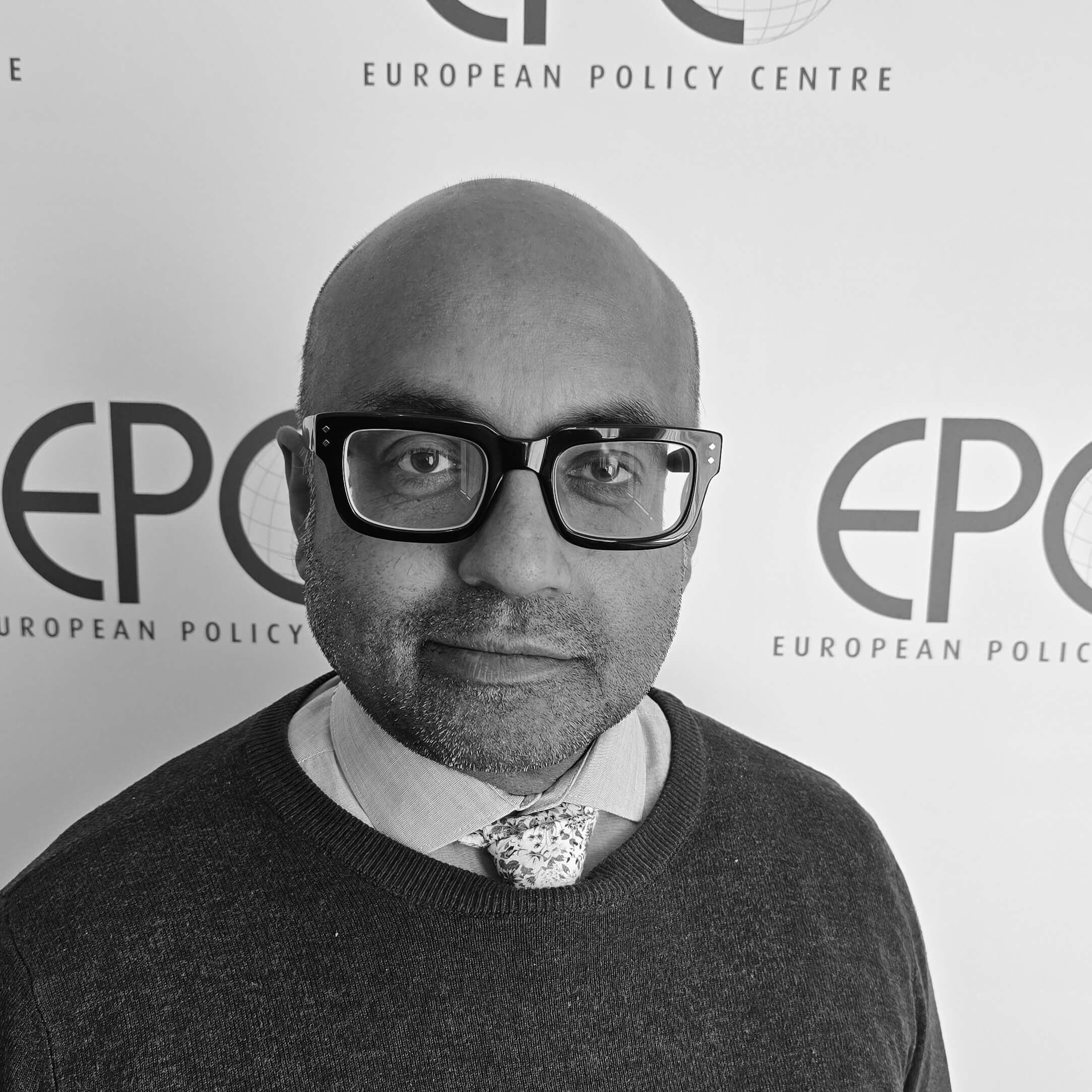
Rajnish Singh is a Media Outreach Executive at the EPC Communications team.